
-
100% Ibérico Ham
100% Ibérico Ham
-
100% Ibérico Paleta
100% Ibérico Paleta
-
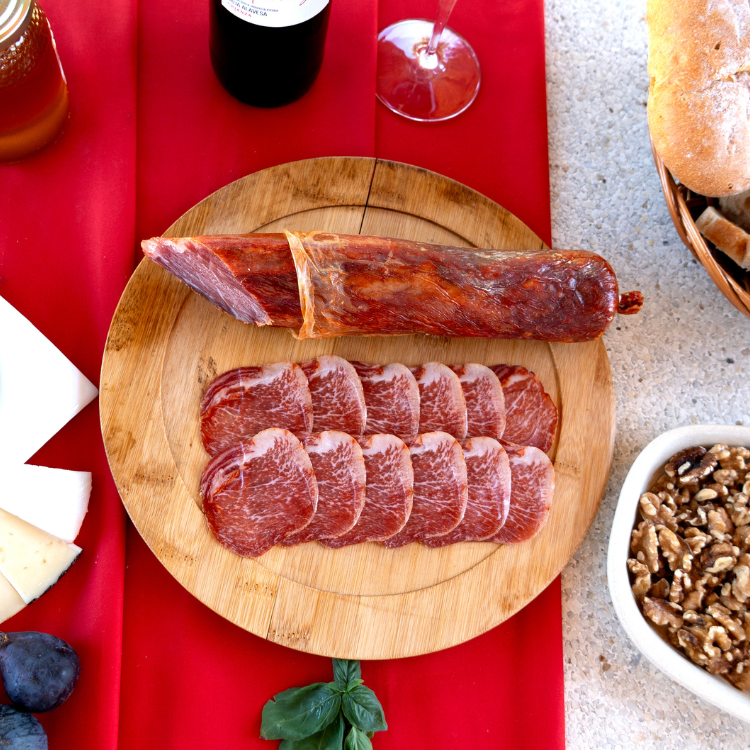
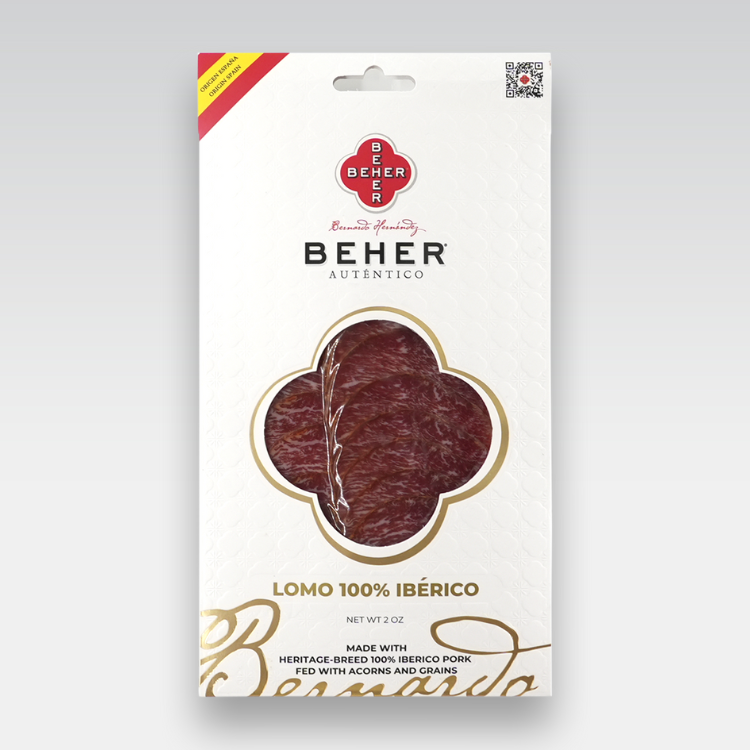
100% Ibérico Lomo
-
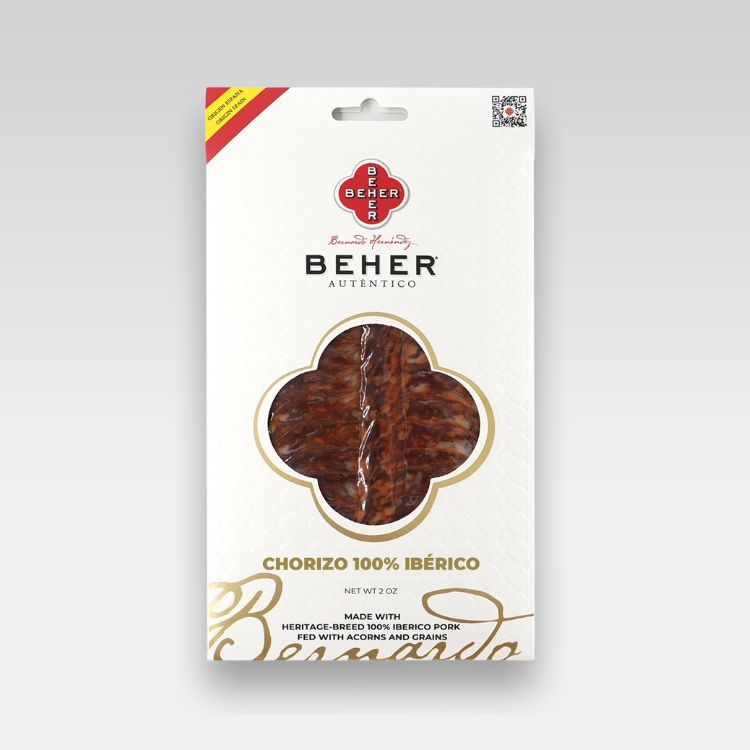
100% Ibérico Chorizo
-
100% Ibérico Salchichón
-
100% Ibérico Panceta


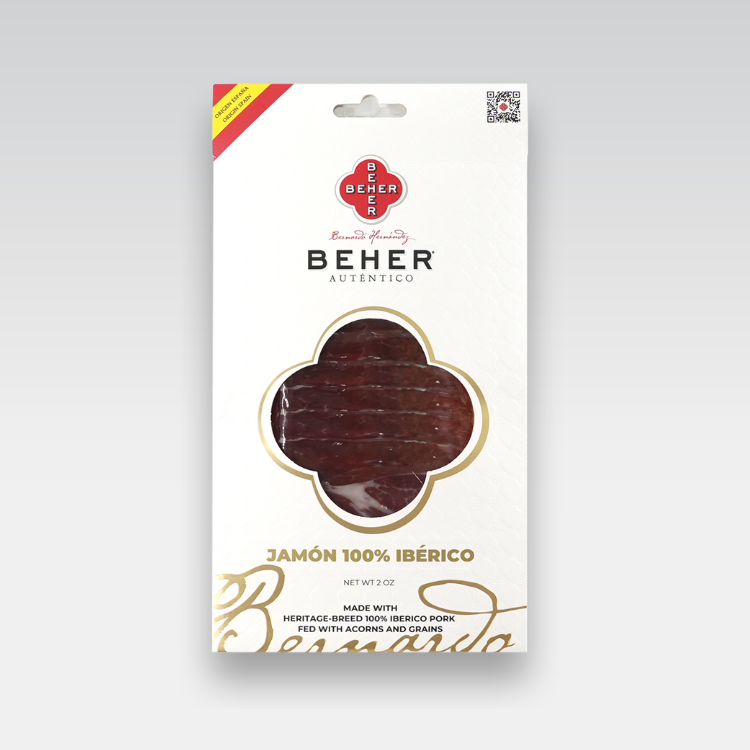
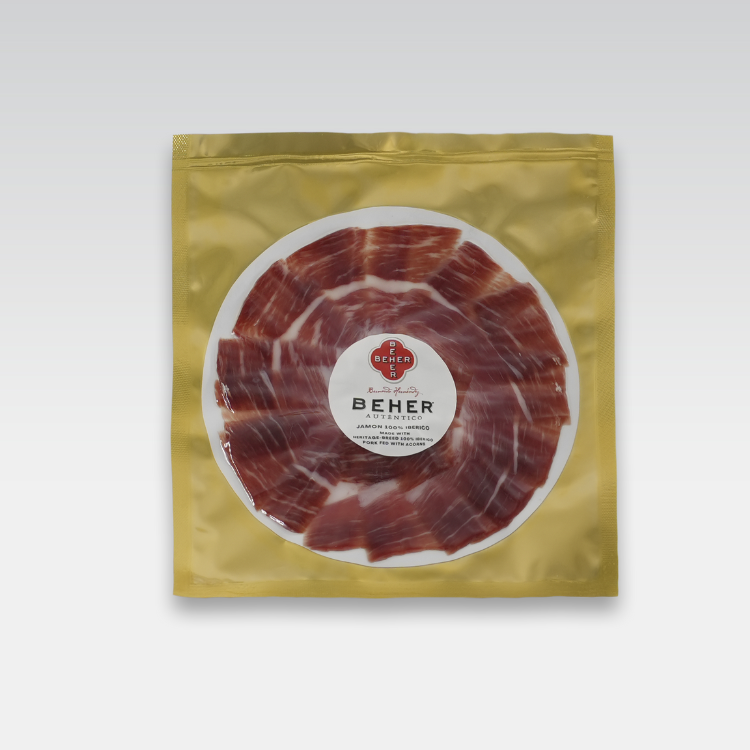
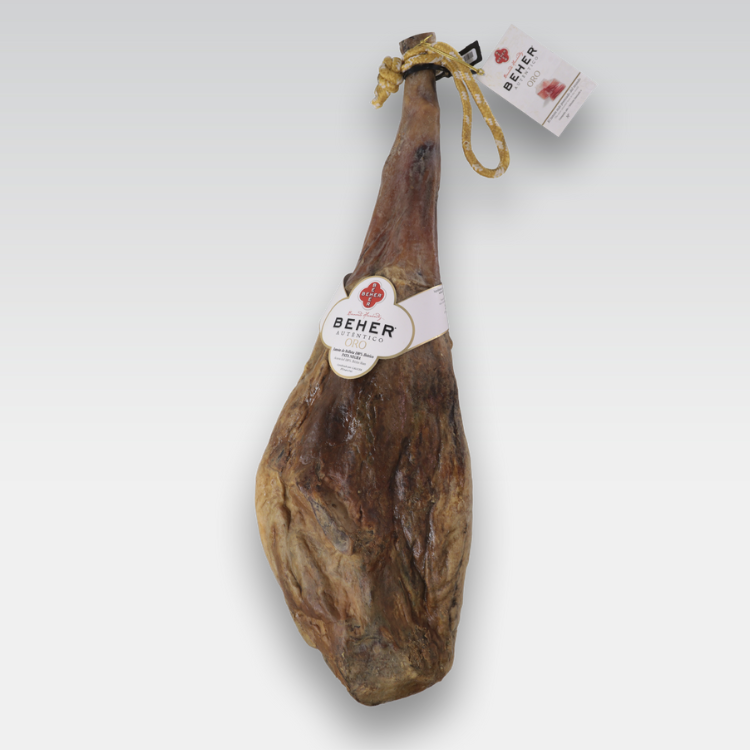
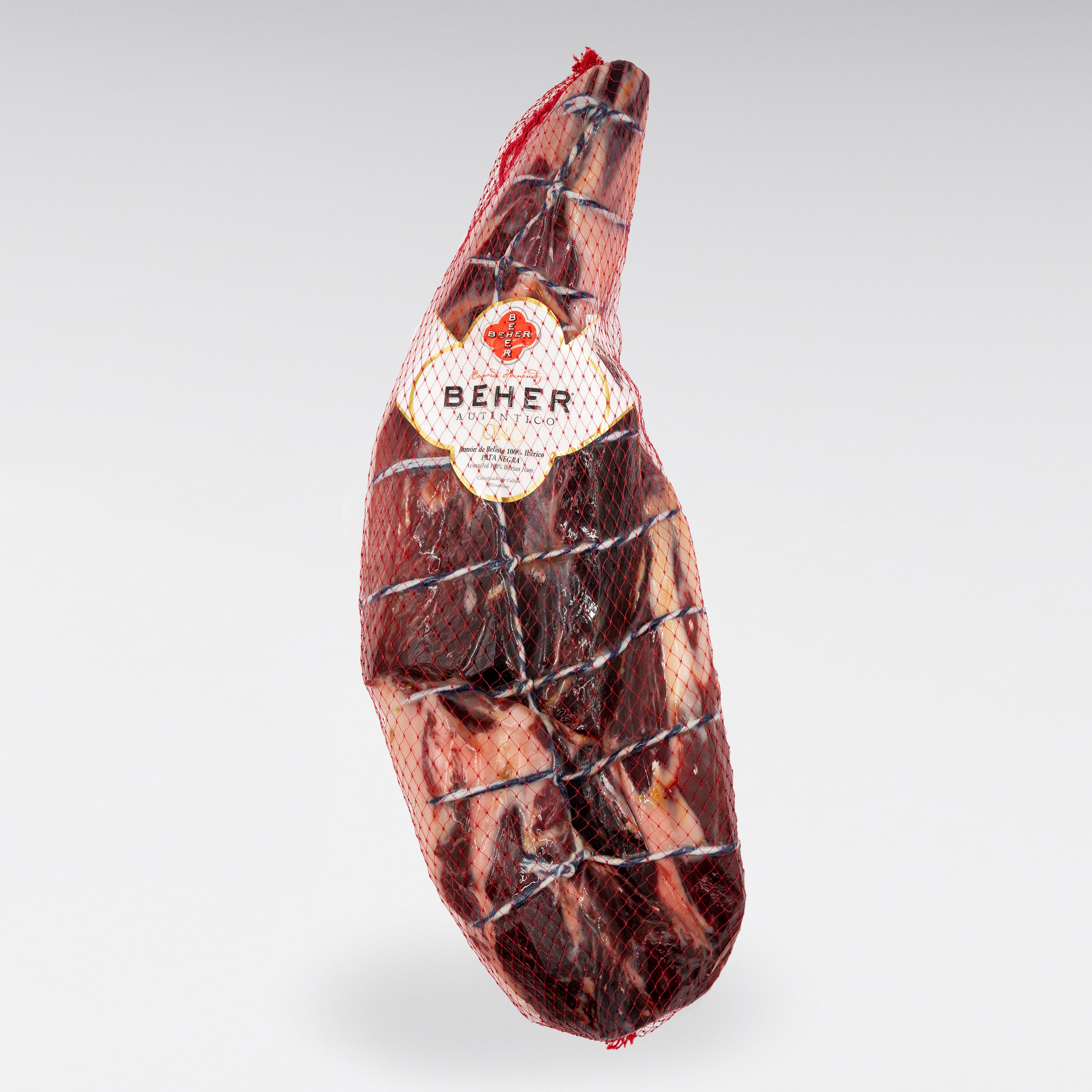


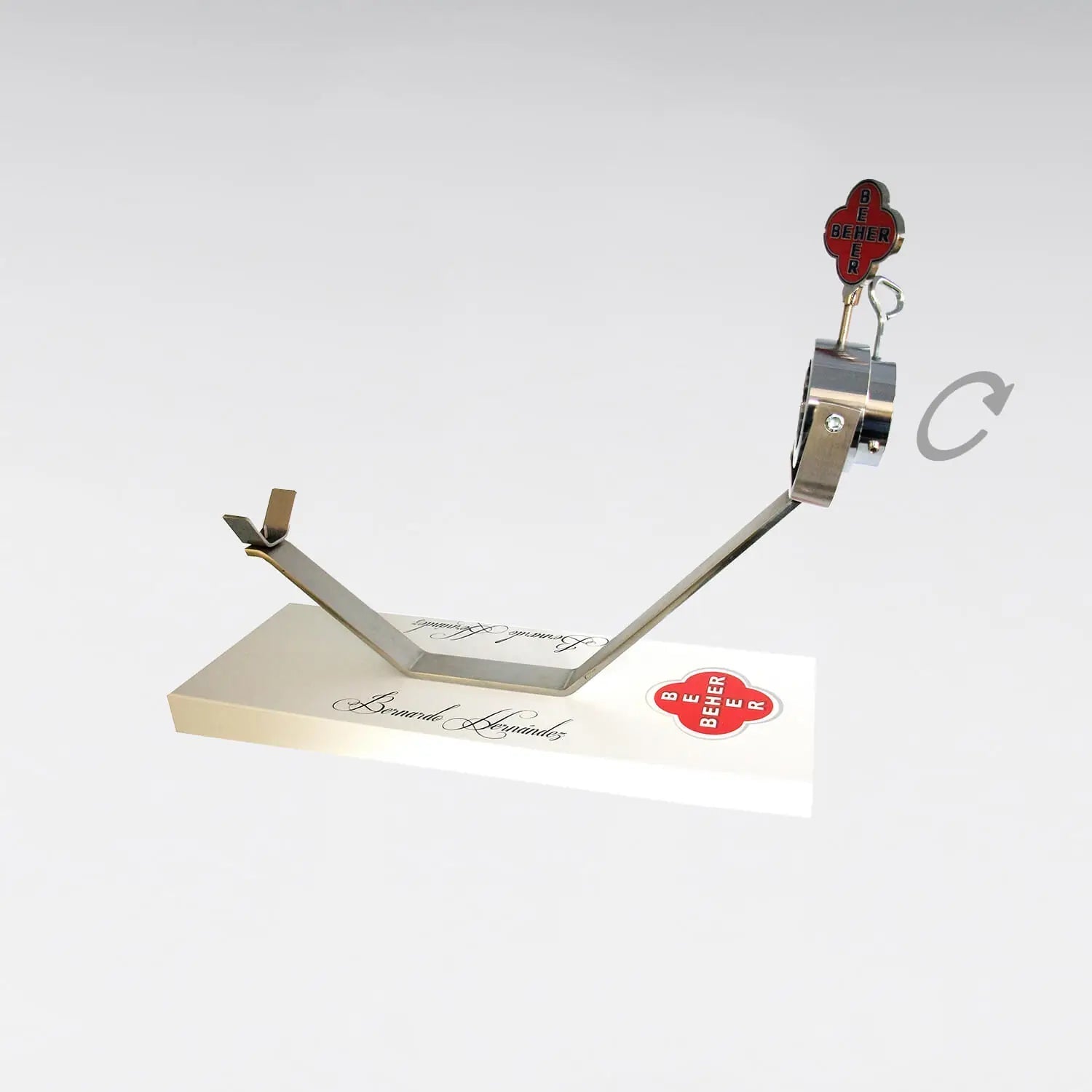
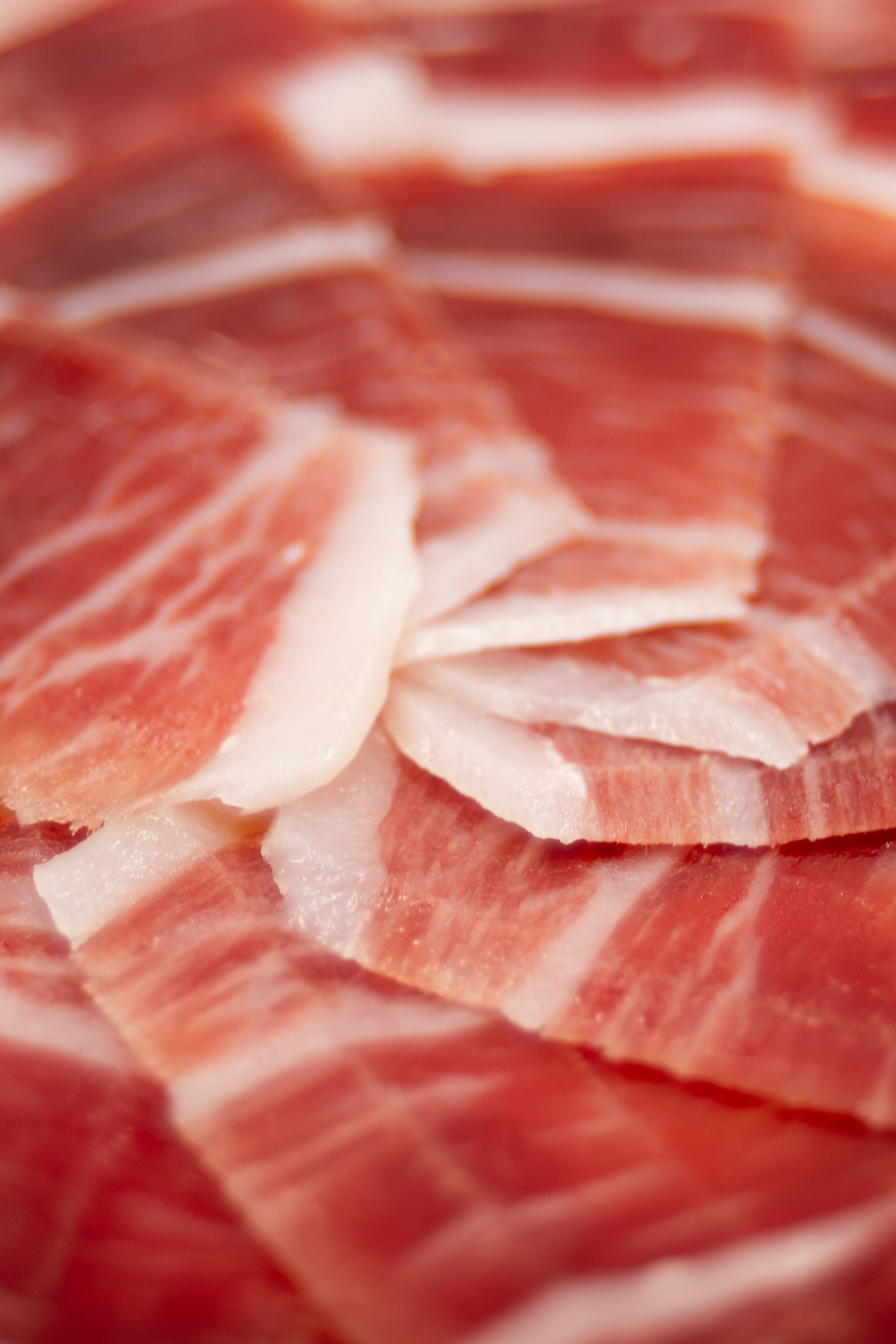

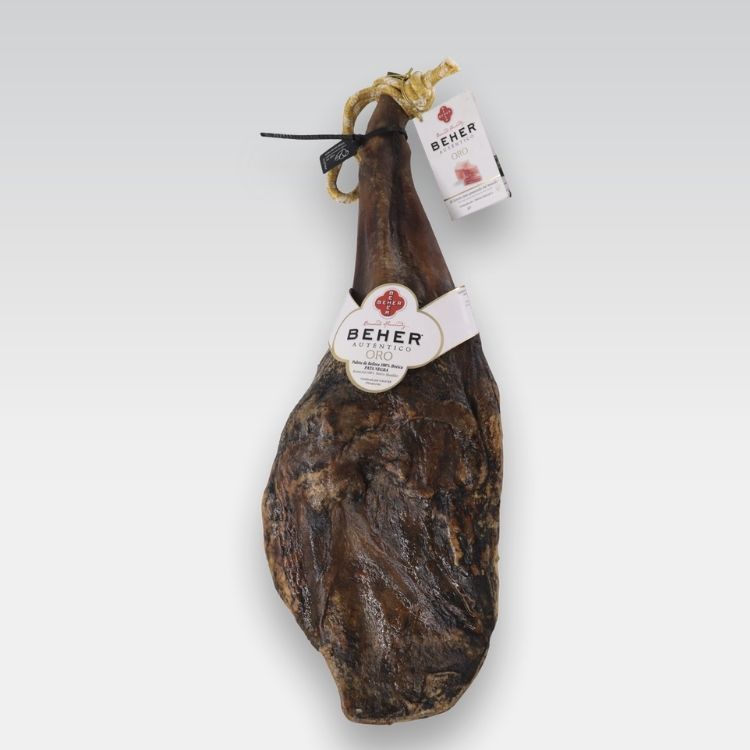
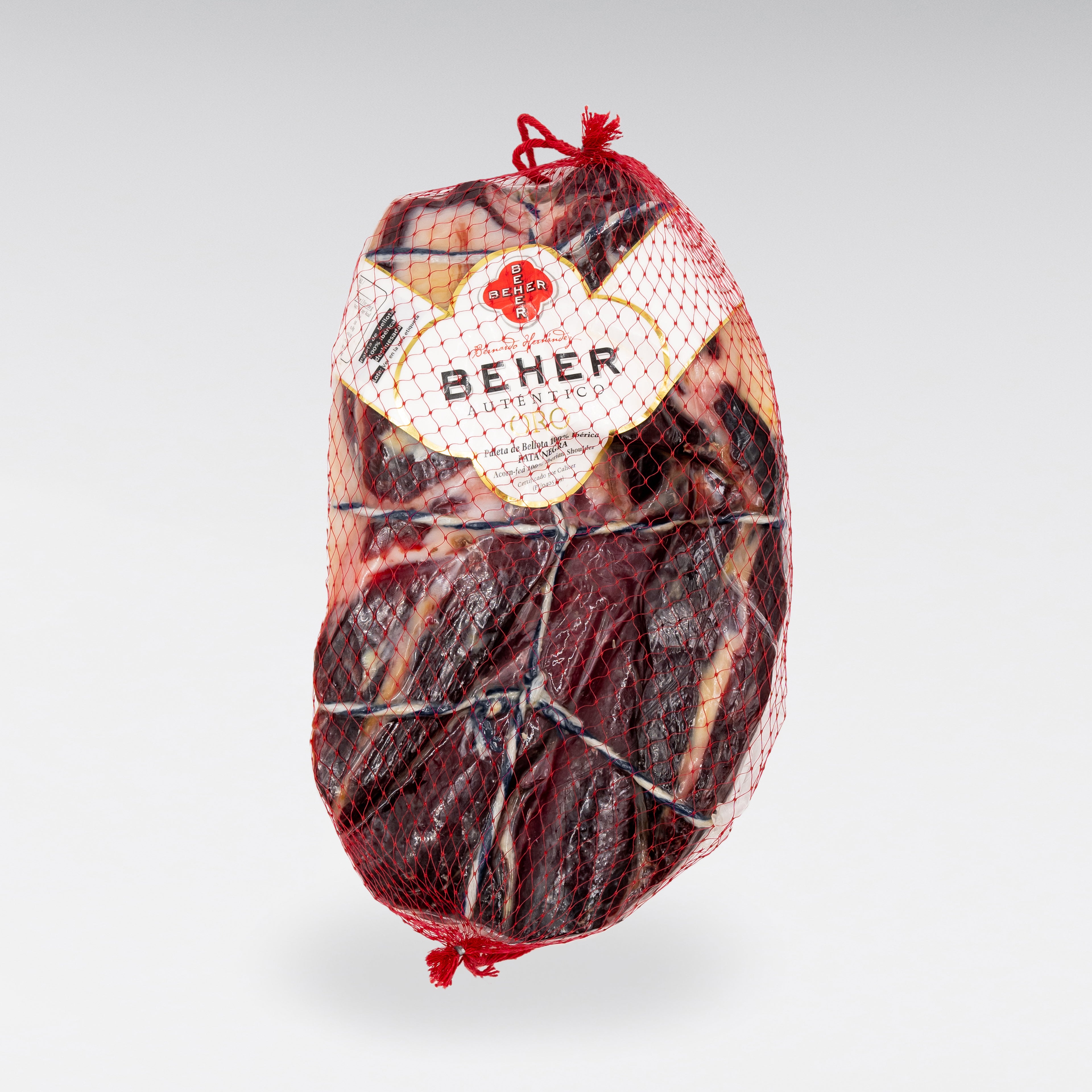










How Long Does Ibérico Ham Actually Last? A guide by format, so you can buy ahead for Christmas
A whole, unopened Ibérico ham keeps for up to a year. Once you start slicing, finish it in 3–4 weeks. Vacuum-sealed sliced ham keeps for months unopened, and a few days once the pack is open.
So why do some hams taste off by New Year's? Look at how they were stored. It comes down to three things:
- 1The product you bought. A bone-in leg and a sliced pack follow different rules.
- 2Where you live. Dry California and humid Florida need different spots.
- 3What you do after the first cut. And the signs that tell you it's still good.
Check yours before you read on.
Pick your product and your big day. Your storage plan builds as you go.
Why Ibérico Ham Keeps So Long
Ibérico ham isn't a fresh product. It's a preservation method our ancestors perfected to have food on hand all year. Salt, the cold dry air of the sierra and slow time turn the leg into a stable product that loses water and gains flavor.

Salt slows everything down.
During salting, salt works into the meat and slows down microorganisms.
Curing takes the water out.
For a 100% Ibérico acorn-fed leg, curing can run past two years. With so little water left, spoilage has almost nothing to work with.
The fat seals it in.
The marbled fat protects the meat, keeps it from drying out and acts as a natural barrier against air.
Does Ibérico Ham Expire? Best By vs. Expiration Date
Check the label on any BEHER product and you'll see a date. Before we explain it, a quick one.
True or falseThe date on your ham is an expiration date.
A hard safety cutoff.
Used on highly perishable foods, like fresh meat or fish. Cured ham doesn't work that way.
A peak-quality window.
How long the ham holds its best aroma and texture when stored the way the package says. It isn't a safety cutoff.
Our recommendation is simple: follow the date on the label and the storage conditions printed on it. That's how you get the ham the way we meant it to taste.
How to Store Ibérico Ham, by Product
A bone-in ham on the counter and a pack of sliced ham in the fridge don't behave the same way. Find the one you bought and follow its two moments: before you open it, and after.

Bone-in ham
Up to 1 year. Dry climate: a cool, dry, dark spot. Humid climate: the coolest, driest room you have, ideally air-conditioned.
Cover the cut face with its own fat and a cotton cloth. Finish it in 3–4 weeks, sooner if your home runs warm.

Bone-in shoulder (paleta)
Store it like the ham. Check the best-by date: shoulders cure for less time.
It's smaller and dries out faster once cut. Finish it in 2–3 weeks.

Boneless ham
Up to 1 year in the fridge, at 36–45°F.
Wrap the cut face in plastic wrap and keep it in the fridge.

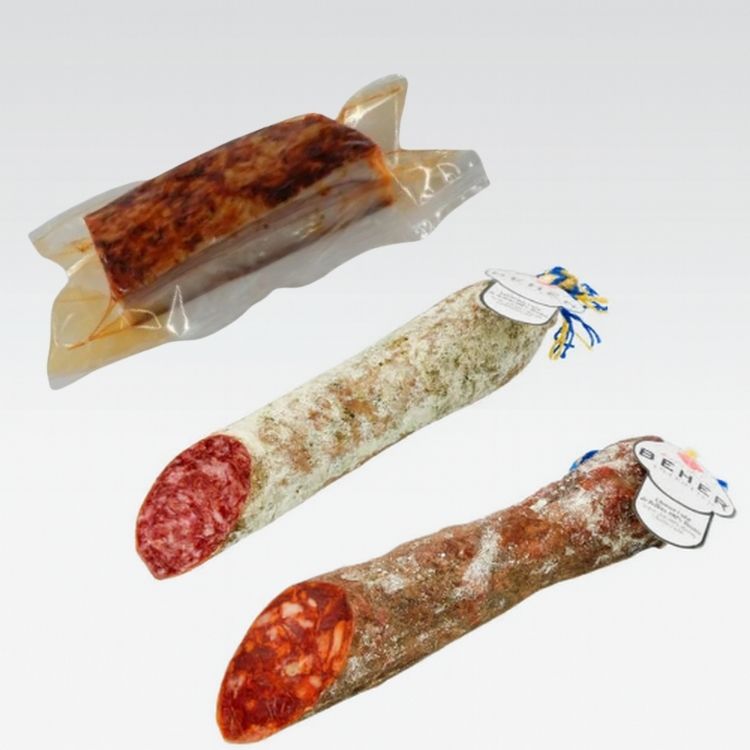
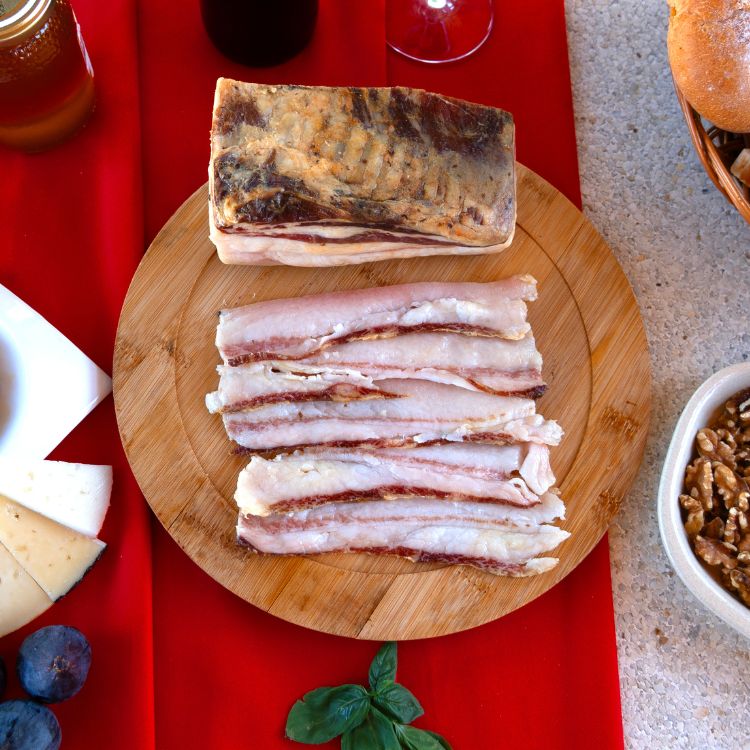
Panceta & cured sausages
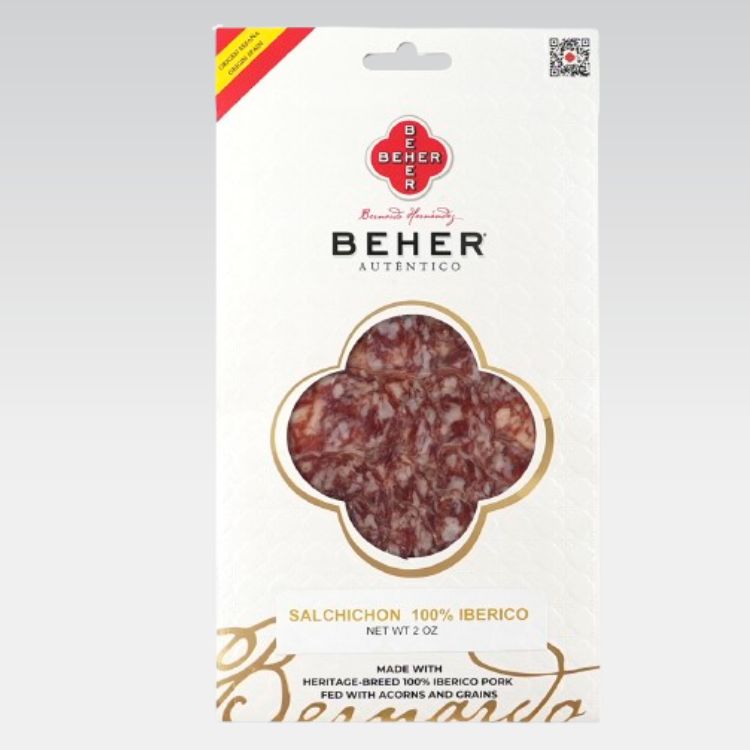
Chorizo, salchichón and loin: up to 1 year at 36–45°F. Panceta: follow the label.
Wrap the cut end and keep it in the fridge.
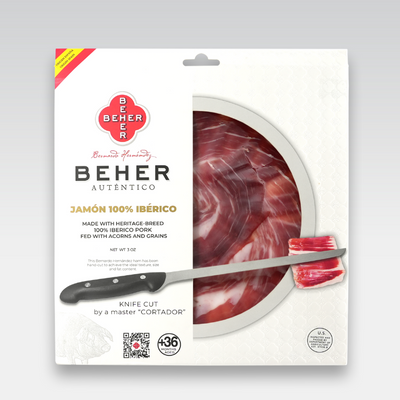
Sliced ham
Several months in a cool spot or the fridge.
Take it out 30 minutes before serving. Wrap leftovers tightly and finish them in a few days.
Dry vs. Humid Climate: Where Your Ham Should Go
In Spain, a whole leg hangs in the kitchen for weeks. In much of the U.S., the air is far more humid, and humidity is what spoils a leg. That's why the spot you pick matters.
A cool, dark spot is enough.
Only if your home stays cool and dry. Pick a dark spot with some airflow, away from the oven, radiators, the fireplace and sunny windows.
Find the coolest, driest room.
Ideally air-conditioned, with good airflow. Keep the leg in its cotton bag or under a cotton cloth, hung or on its stand. Avoid the kitchen, the laundry room and the basement.
Check the rind every few days and wipe off any mold with a cloth dampened in oil.
Not sure which one you are? Humidity isn't the only factor. Room temperature, how long the ham has been open and the instructions on the label all count. Always follow the label.
Keep it in its wrapping.
Leave the ham or shoulder in its original wrapping or box until the day you start carving. Then follow your climate above.
Cover the cut face.
Lay the piece of fat you trimmed back over the meat, then drape a cotton cloth on top. The surface won't dry out.
Let it warm up first.
Take it out about 30 minutes before serving so the fat loosens back up.
Four Numbers Worth Remembering
Everything above, on one screen.
Bone-in ham, sealed.
Stored right for your climate, it holds its quality for up to a year.
The ideal range.
The storage temperature you'll find on our labels.
Once you start carving.
Keep the cut face covered and enjoy it over the holidays.
Before serving.
Let sliced ham sit out so the fat softens and the aroma opens up.
How to Tell If Ibérico Ham Has Gone Bad
A good leg smells cured, nutty and a little like the cellar it came from. The meat is deep red, and the fat shines and softens the moment you touch it. Here are five things you might notice, and what each one means.
✓ Normal, nothing to worry about
-

White specks in the meat
These are tyrosine crystals, an amino acid that shows up in long-cured hams. Far from a flaw, they're a sign of a thorough cure.
-
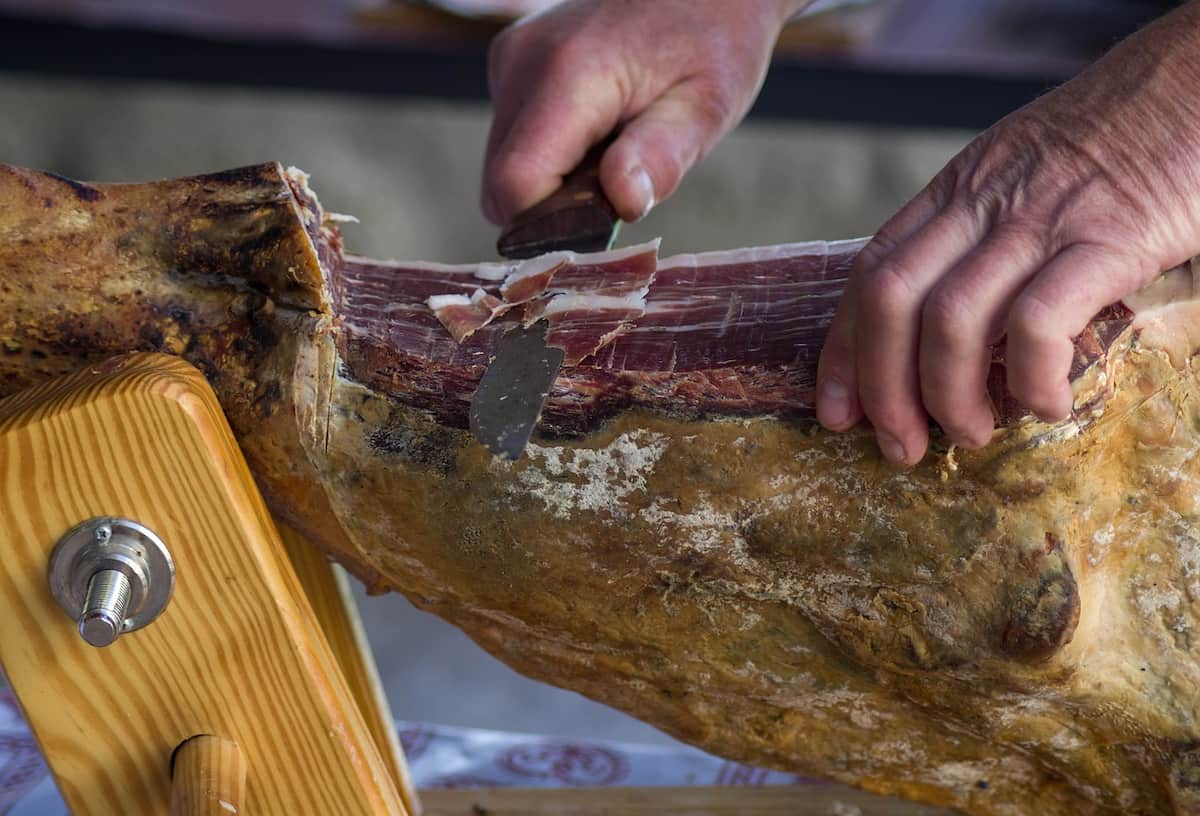
A light layer of mold on the rind of a whole leg
Common on an unsliced piece. Wipe it off with a cloth dampened in oil.
-
The first few slices look drier
If it's been a few days since the last cut, the surface dries out a little. Trim those slices and use them for cooking.
! Worth paying attention to
-

Yellow fat with a strong smell
If the fat has turned yellow and smells strong, that's rancidity. Don't take the risk.
-

A sour smell, sticky texture or greenish tint
A rancid or sour smell, a sticky texture, or a greenish tint in the meat are the signs to pay attention to. Don't take the risk.
Why Ibérico Ham Turns Rancid, and Why It Happens Most at Christmas
Rancidity comes down to storage. It's what happens to good fat when it gets too much air, heat or light.
Ibérico fat is rich in oleic acid, the same kind found in olive oil. That's why it melts on your tongue. It's also why it reacts to air, heat and light.
When fat oxidizes, it turns yellow and smells strong. That's a sign the ham has gone rancid, and it isn't worth the risk.
That's why Christmas deserves extra care. Once a leg is cut, plan to finish it in 3–4 weeks, and sooner if your home runs warm.
- 1
Keep it away from heat.
Not next to the oven, the stove, the fireplace or a sunny window.
- 2
Cover the cut face every time.
Its own fat and a cotton cloth. Air is what starts the problem.
- 3
Humid or warm home? Pick the coolest room.
Dry, with some airflow, and away from the kitchen and the laundry room.
- 4
Finish it sooner in a warm house.
3–4 weeks is the rule once you start carving. A warm home shortens it.
- 5
Freeze what's left after the holidays.
Ibérico ham freezes well without losing its qualities.
Why Order Your Holiday Ham Early
Now you know Ibérico ham holds up for months. The question isn't whether you can order early. It's why you'd wait.
No last-truck stress.
Shipping volume spikes before Christmas. Ordering with margin means you're not counting on the last delivery before Christmas Eve.
Pick what fits your table.
Ham, shoulder, boneless or sliced. You get time to compare and choose calmly.
Plan without the scramble.
Giving ham or building gift boxes? Having it on hand early makes it easy.
Every December dinner counts.
A sliced pack or a cured sausage in the pantry turns any night into something worth remembering.
Your holiday ham plan
0 of 2 stepsTell us what you're buying and when you'll open it. We'll put the dates together for you.
- Format
- Open on
- Until then
- After opening
Reminders saved. Open the file to add them to your calendar.
Ibérico ham is made to last. Store it well, enjoy it within its best-by date, and it will be at its best at Christmas, even if you bought it weeks ahead. No need to wait until the last minute. On the day, all that's left is carving and sharing.
Quick Answers Before You Order
Can I buy my ham weeks before Christmas?
Yes, no problem. A whole unopened leg, a boneless piece, or vacuum-sealed sliced ham all hold up for weeks if you store them the way the label says.
Does Ibérico ham expire?
No. It carries a best-by date, which marks how long it holds peak quality, aroma, and texture. Still, follow the date on the label.
Does it need to be refrigerated?
Not while the pack is sealed, a cool dry spot is enough. For a bone-in ham, where you live matters: in a dry climate, a cool, dark spot works; in a humid one, pick the coolest, driest room you have. If you do refrigerate it, take it out about 30 minutes before serving so the fat loosens back up.
Why does my ham taste rancid?
The fat has oxidized from too much air, heat or light. It turns yellow and smells strong. Keep the ham away from heat, cover the cut face every time and, in a humid or warm home, keep it in the coolest room you have. If it already tastes rancid, don't take the risk.