

















Is 100% Ibérico Salchichón Made of Pig?
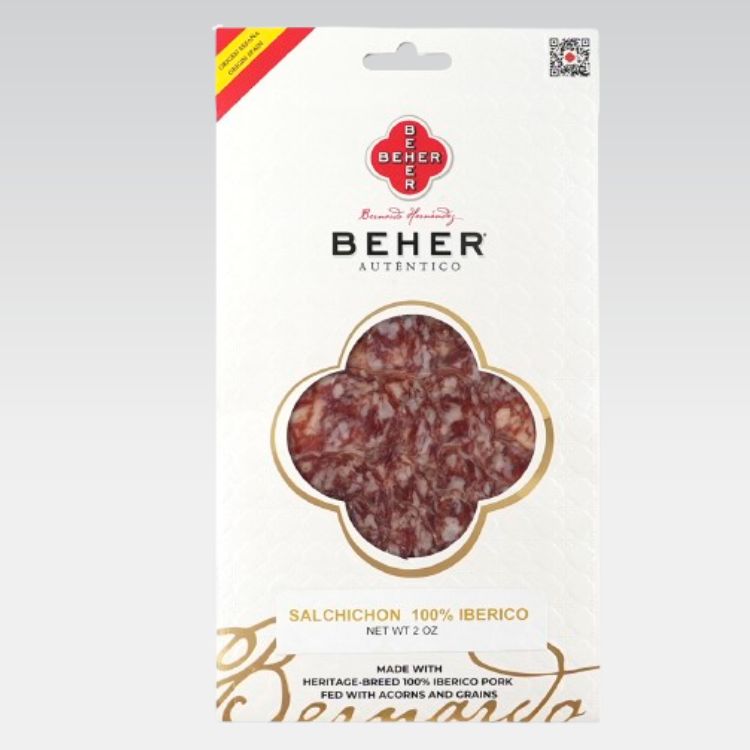
Yes. Ibérico pig, specifically, the black-hoofed breed native to the Iberian Peninsula. 100% Ibérico salchichón is not a blend of breeds, and it's not a generic "Spanish sausage." One animal, raised free-range, cured in Guijuelo the same way for almost a century.
What Is Ibérico Salchichón Made Of?
Five ingredients. Nothing more.
- Ibérico pig meat
- Sea salt
- Black pepper
- Garlic
- Nutmeg
No preservatives. No nitrates. No added sugars. What separates real Ibérico sausage from a standard salami is the pig itself.
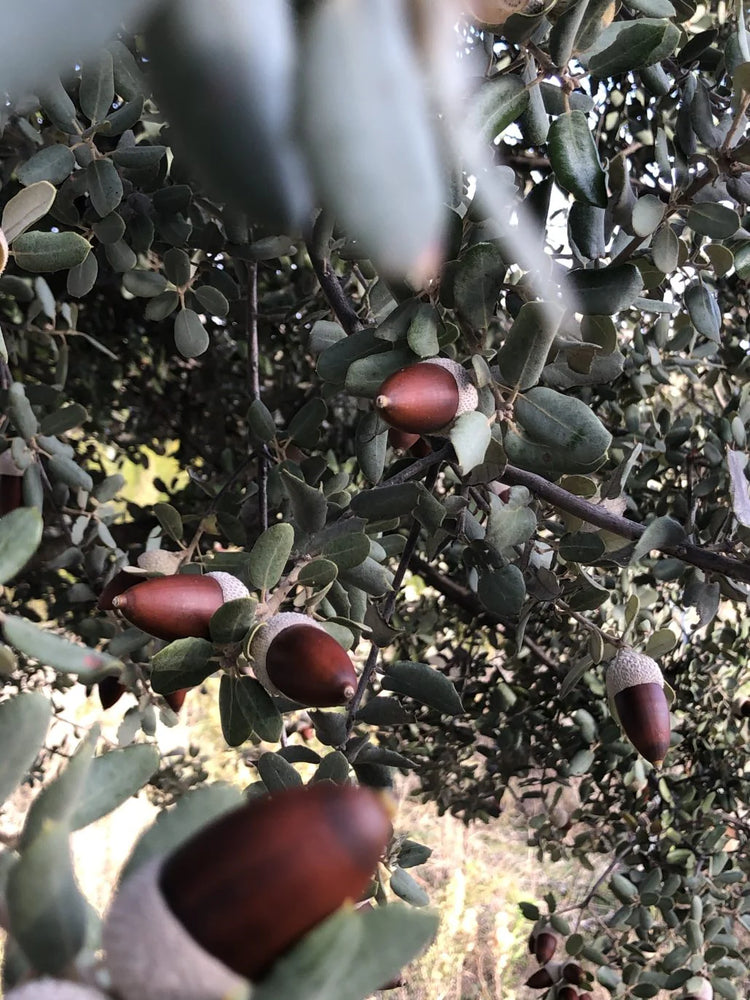
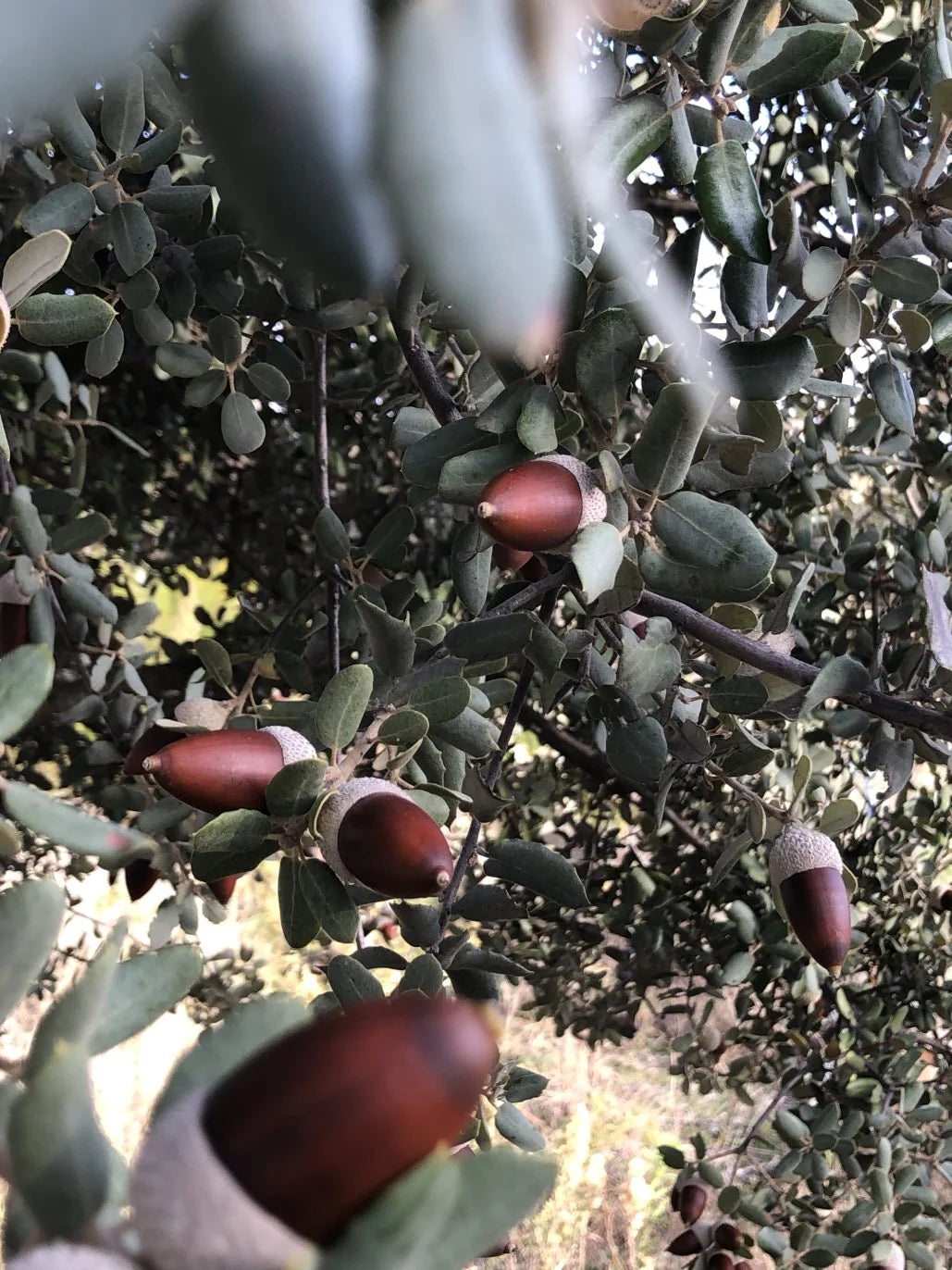
Acorn-fed, bellota-grade Ibérico pig carries far more intramuscular fat than commodity breeds. That marbling is where the soft, almost buttery bite comes from. Not the spices, which stay deliberately minimal.
A Short History of Salchichón Ibérico
Cured sausage in Spain goes back centuries. It started as necessity, not luxury. Before refrigeration, salting and drying pig meat was the only way to make a slaughtered animal last through the year.
Salchichón ibérico, seasoned simply with salt, pepper, and garlic, became one of the standard ways rural households preserved meat. No smoke, no paprika. Just salt and time. What began as preservation turned into a delicacy over generations, refined region by region across Spain.
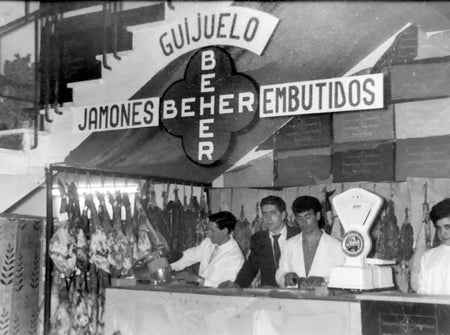
Four Generations in Guijuelo
- 1930: Bernardo Hernández Blázquez starts curing Ibérico meats by hand in Guijuelo.
- 1970s: His son, Bernardo Hernández García, perfects the breeding of 100% pure Ibérico pigs.
- 2000: The third generation takes full control of the process: breeding, feeding, curing, no outside suppliers.
- Today: The fourth generation runs it. Same family, same town.
Almost a century of curing 100% Ibérico salchichón the same way it's always been done.
Official Certification for 100% Ibérico Salchichón
Spain regulates Ibérico products under Real Decreto 4/2014. Four grades exist, each marked by a colored seal:
- Black: 100% purebred Ibérico pig, acorn-fed (montanera season, open dehesa)
- Red: 100% purebred Ibérico pig, cereal-fed
- Green: Crossbred, acorn-fed
- White: Crossbred, cereal-fed
Black Label isn't a marketing claim stamped on for effect. It's a government certification, and it's the only grade BEHER works with.
Fewer than 10% of all Ibérico pigs raised in Spain qualify for Black Label.
100% Ibérico vs. Other Salchichón
Not everything labeled "Ibérico" is the same product. Spain allows the word on the label for pigs that are only 50% or 75% Ibérico, crossed with Duroc or other white breeds. They're real, legal Ibérico products. They just carry less marbling and a milder flavor than the purebred version.
Plenty of salchichón on the market isn't Ibérico at all. It's made from standard white pig and sold simply as "Spanish sausage" or "salchichón," with none of the breed, diet, or fat quality that defines the Ibérico version.
BEHER works with one grade only: 100% purebred Ibérico pig, Black Label. No crossbreeds, no exceptions, across every product. Salchichón included.
How Ibérico Salchichón Is Made
Pig meat is chopped, mixed with salt, garlic, and spices, then stuffed into natural casing.
From there it dries for months at a time. Never cooked, never smoked. Mountain air matters as much as the recipe: cool, humid conditions that slow the process down instead of rushing it. Rushed curing means flatter flavor, no matter how good the pig was to begin with.
One regulatory hurdle most people never think about: every Ibérico product sold in the US has to pass through a USDA-approved facility first. That requirement kept Ibérico charcuterie out of American stores entirely until 2007. It's part of why authentic salchichón ibérico is harder to find in the US than in Spain.
Is 100% Ibérico Salchichón Healthy?
More than most cured meats. Ibérico pig carries a high share of oleic acid, the same monounsaturated fat found in olive oil, instead of the saturated fat typical of commodity pig.
It's also a solid source of protein, with no added sugars or fillers. Not a health food. Just a different nutritional profile than most Ibérico sausage on the shelf.
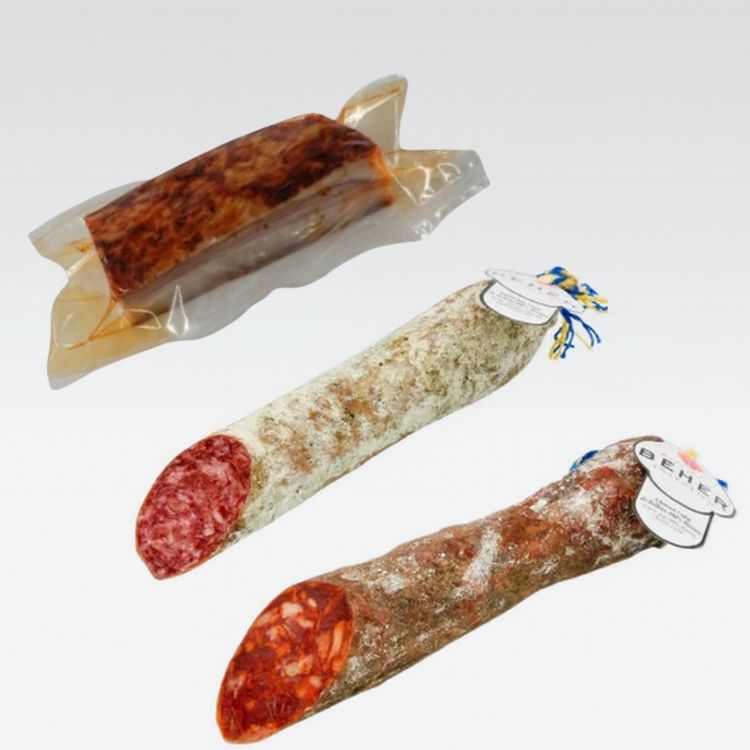
Ibérico Salchichón vs. Chorizo vs. Lomo
| Salchichón | Chorizo | Lomo | |
|---|---|---|---|
| Cut | Chopped pig meat | Chopped pig meat | Whole cured loin |
| Seasoning | Garlic, black pepper, nutmeg | Smoked paprika, garlic | Pimentón, garlic, salt |
| Color | Pale, marbled | Deep red | Reddish crust, pale core |
| Flavor | Mild, peppery | Bold, smoky | Leaner, more intense |
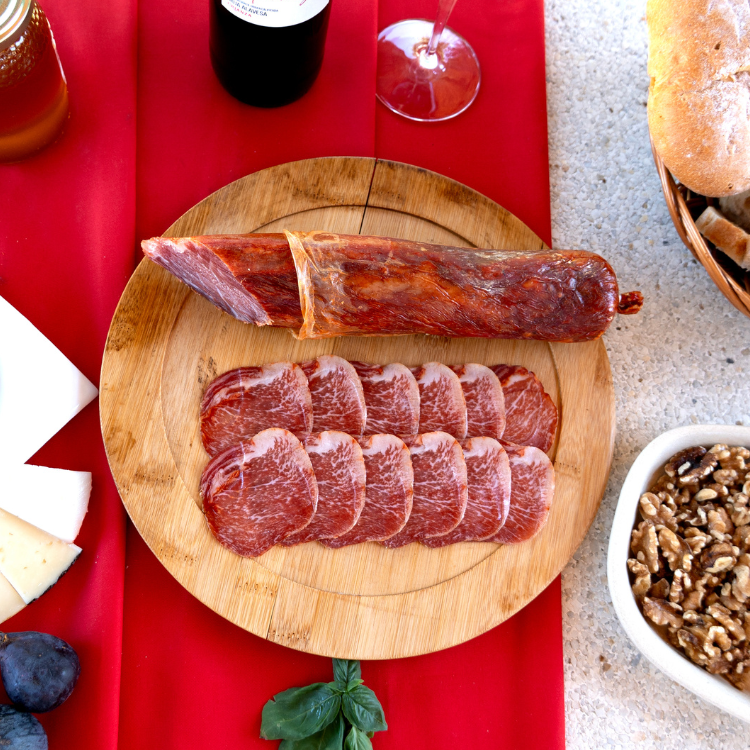
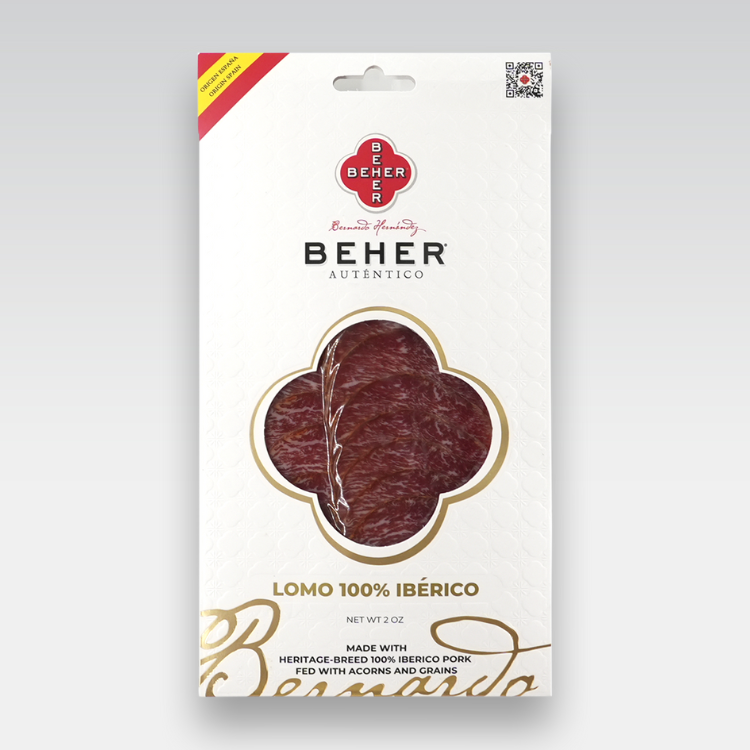
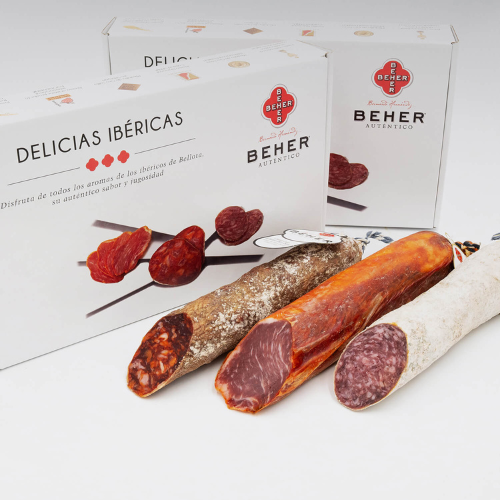
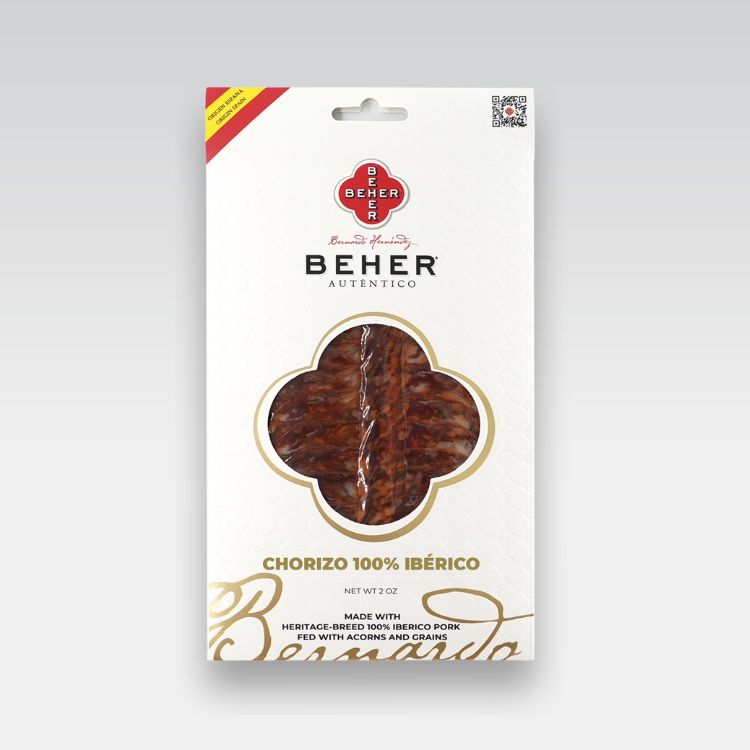
Red and smoky: chorizo. Pale and peppery: salchichón. Whole muscle, not chopped: lomo. Same pig, same cellars. The seasoning is what changes.
How to Serve Ibérico Salchichón
- Slice it thin enough to see light through it.
- Let it sit at room temperature a few minutes before eating.
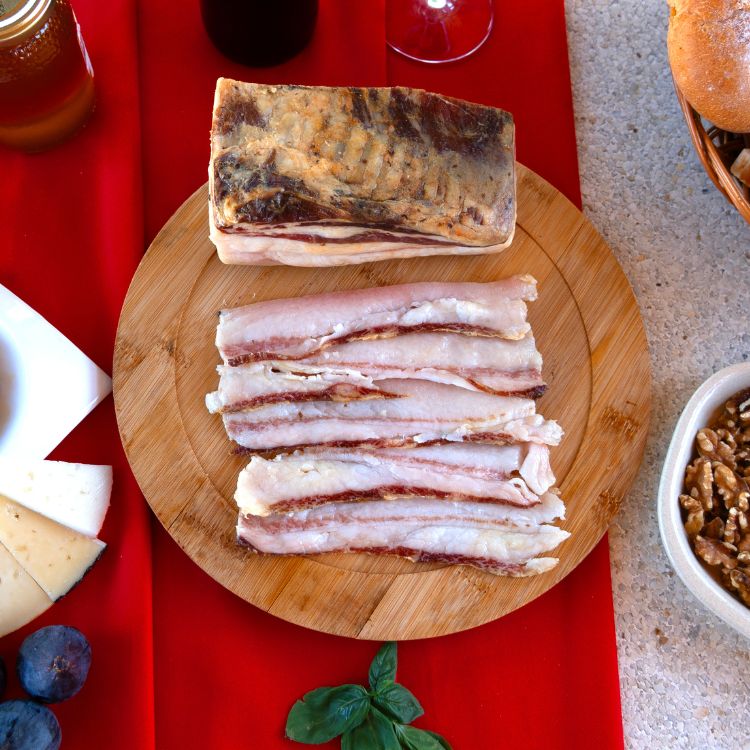
- Serve it plain, on a charcuterie board, or on crusty bread.
Cold from the fridge, the fat stays firm and mutes the flavor. Worth the few minutes' wait. For wine, a dry white like Verdejo cuts through the fat well. A young Rioja works too, if you'd rather stay red. Keep it simple either way. A heavy pour buries what makes Ibérico salchichón worth eating slowly.
FAQs
Is salchichón the same as chorizo?
No. Chorizo's color and smoke come from paprika. Salchichón doesn't use paprika at all. Garlic and black pepper carry the flavor instead.
Does salchichón need to be cooked?
No. It's cured, not cooked. Slice it thin and it's ready to eat.
How long does it last once opened?
A few weeks for a whole piece, wrapped tightly in the fridge. A few days once it's sliced.
Is salchichón spicy?
No. No paprika means no heat, just pepper and garlic.
Where does salchichón ibérico come from?
Spain, originally a farmhouse method for preserving pig meat before refrigeration existed. It became a regional specialty over generations rather than a single invention.
Can you freeze salchichón?
You can, but the texture changes once thawed. The fat doesn't re-marble the way it does fresh. Refrigeration is the better option if you'll eat it within a few weeks.