









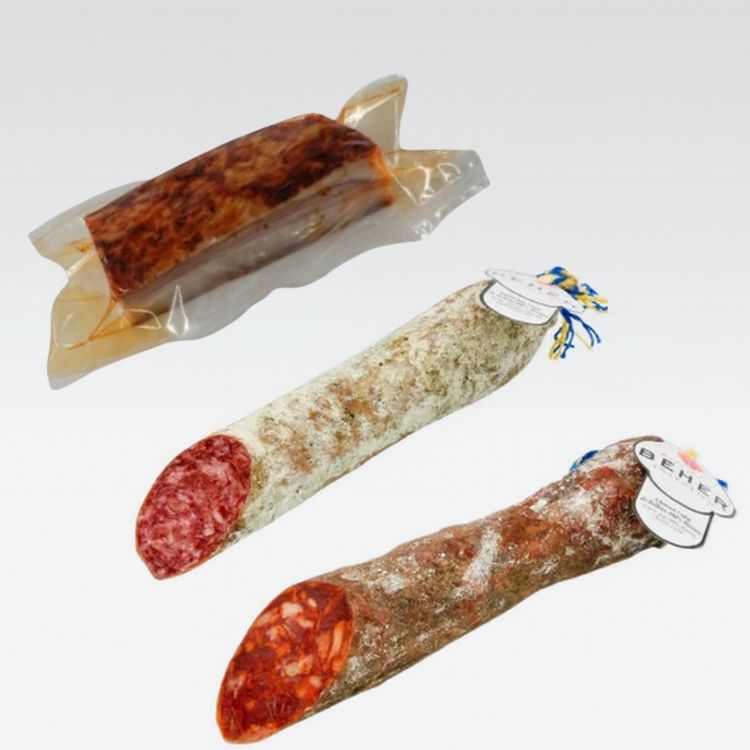


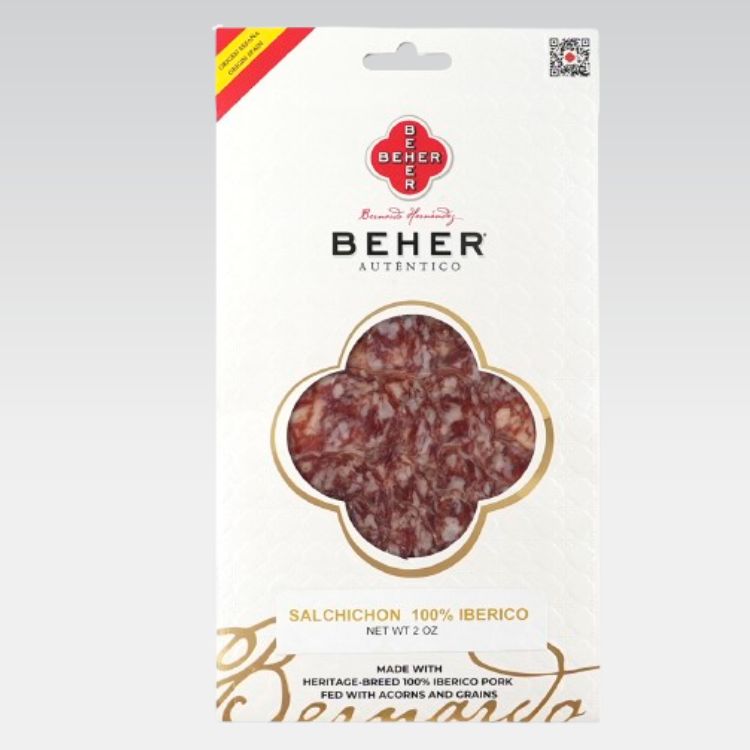


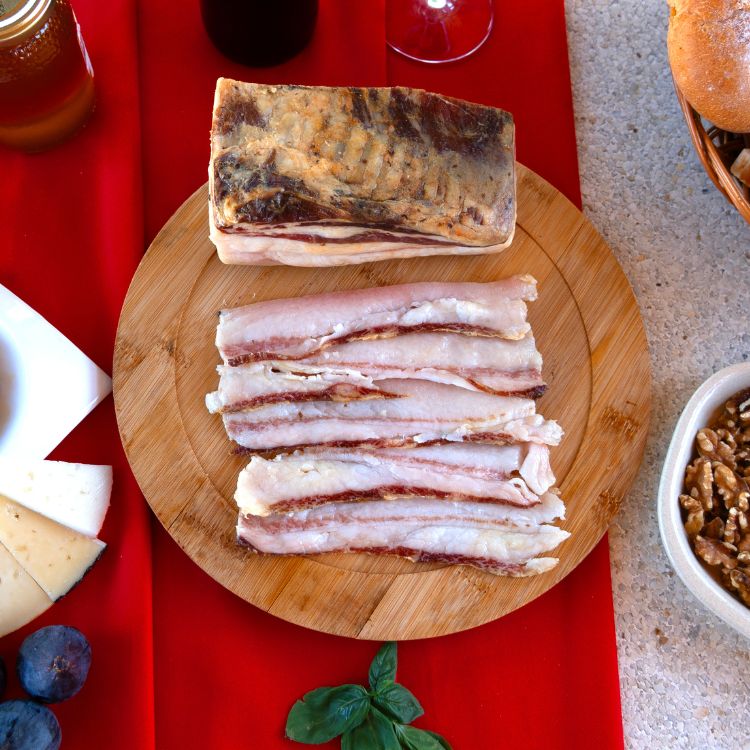




For anyone more familiar with Iberico ham or Spanish chorizo, lomo can be a little harder to place. It comes from a different part of the animal, follows its own production process, and has a flavor profile that sits somewhere between pure cured meat and the warm seasoning associated with traditional Spanish charcuterie.
Producers such as BEHER, whose work centers on the Iberico pig, approach lomo with the same attention to raw material, fat distribution, seasoning, and curing that defines premium Iberico products.
The Heritage Behind BEHER Iberico Lomo
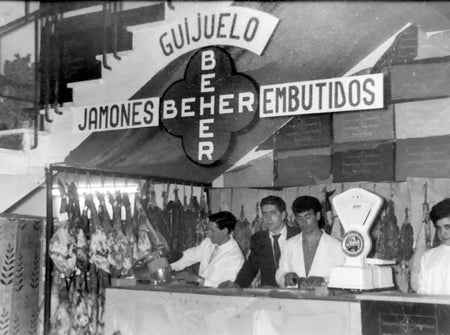
Family-Owned Tradition
BEHER is a Spanish family producer specializing in Iberico pig products. That matters with lomo because the quality of the finished piece depends on decisions made long before curing begins.
The breed of the pig, how it is raised, the condition of the loin, the amount of intramuscular fat, and the way the meat is handled all influence the final result.
Generations of Expertise
Lomo looks relatively simple from the outside: a whole pig loin seasoned and cured. In practice, there is little room to hide mistakes.
Unlike ground sausages, the muscle remains whole, so the quality and texture of the original cut stay visible in every slice. Seasoning needs to complement the meat rather than cover it, while curing has to remove enough moisture without leaving the center dry or the exterior overly hard.
Experience becomes especially important in finding that balance.
What Defines High-Quality Iberico Lomo?
Good Iberico lomo begins with the meat itself.
Iberico pigs are known for their ability to develop intramuscular fat, producing the fine marbling that helps distinguish meat from the Iberico pig from conventional white-pig meat. In a cured loin, those small streaks of fat contribute both flavor and a softer mouthfeel.
Quality also depends on how carefully the loin is trimmed and seasoned. Traditional recipes often use salt, paprika, garlic, and other spices, but the exact balance varies by producer.
The curing stage then concentrates the meat's flavor while gradually changing its texture.
A good piece should feel firm without becoming tough. The seasoning should be noticeable but not overwhelming, and the meat should remain the central flavor.
What Makes BEHER Different?
A producer specialized in Iberico products can control more of the variables that influence the finished lomo, from the raw meat used to the handling and curing of the piece.
For BEHER, lomo sits within a broader range of Iberico products rather than being treated as an isolated cured sausage. That focus on the Iberico pig is particularly relevant here because the character of lomo depends heavily on the original cut.
What Is Iberico Lomo?
The word lomo means loin in Spanish.
Iberico lomo is made from the loin muscle that runs along the back of the Iberico pig. Instead of grinding the meat, producers keep the muscle whole. The loin is trimmed, seasoned, allowed to absorb the spices, placed inside a casing, and cured.
That makes it quite different from Iberico ham.
Iberico ham comes from the pig's hind leg and is generally cured with salt rather than a paprika-based seasoning. Lomo comes from the back and normally has a more seasoned flavor.
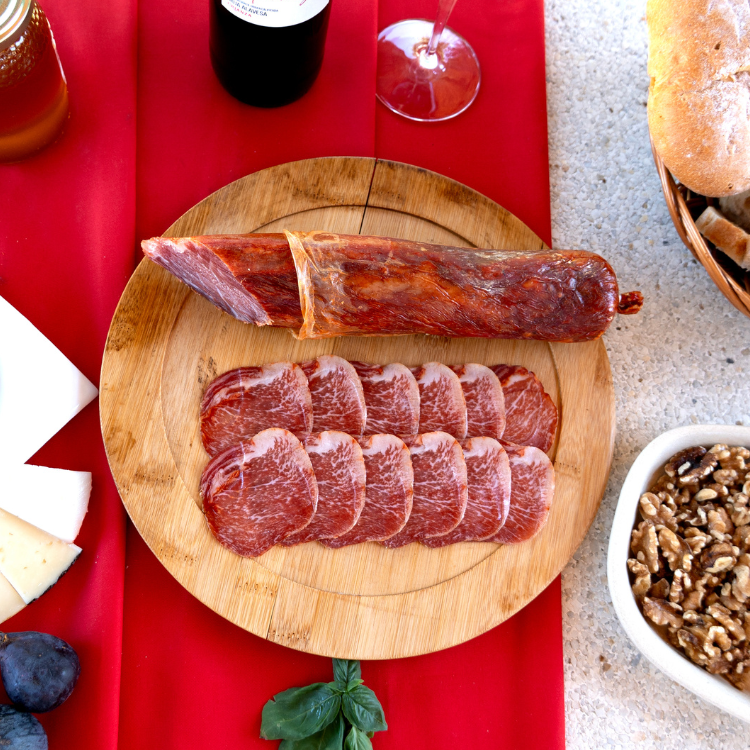
The structure is different too. When you look at a slice of lomo, you can clearly see that it comes from one continuous piece of muscle.
Different Types of Iberico Lomo
Not every product labeled Iberico is identical. Two factors in particular are worth understanding: the breed of the pig and its feeding system.
100% Iberico Lomo
A 100% Iberico lomo comes from pigs whose parents are both pure Iberico.
The distinction can influence the characteristics of the meat, particularly its fat distribution and texture. Iberico pigs naturally have a greater tendency to deposit fat within the muscle, which is one reason their meat behaves differently during curing.
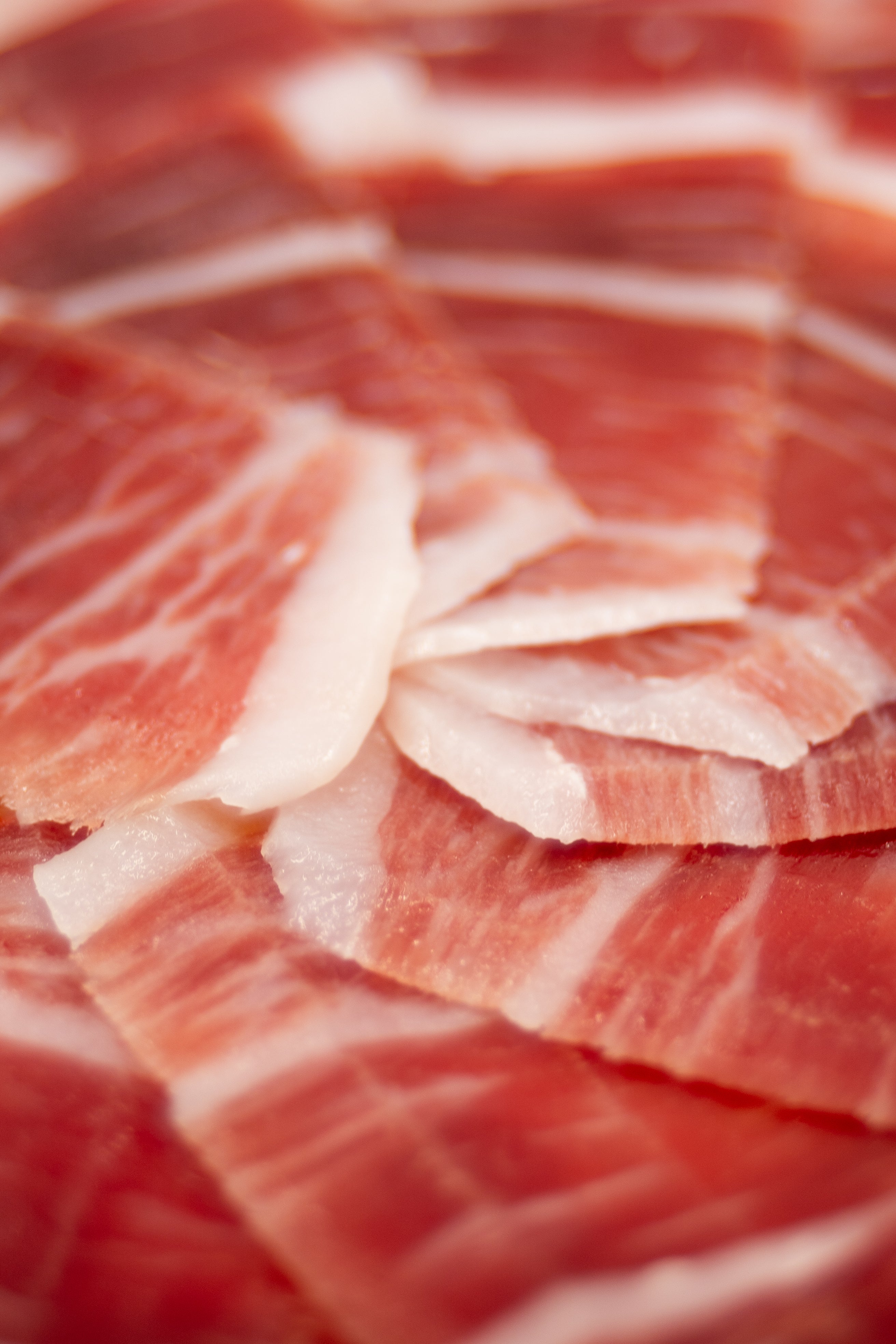
A sliced piece of high-quality lomo may show fine streaks of fat running through the lean meat rather than appearing completely uniform.
Acorn-Fed Iberico Lomo
“Acorn-fed” and “Iberico” do not mean the same thing.
Iberico refers to the breed or genetic percentage of the pig. Bellota, or acorn-fed, refers to a specific feeding and rearing system associated with the final fattening period known as the montanera.
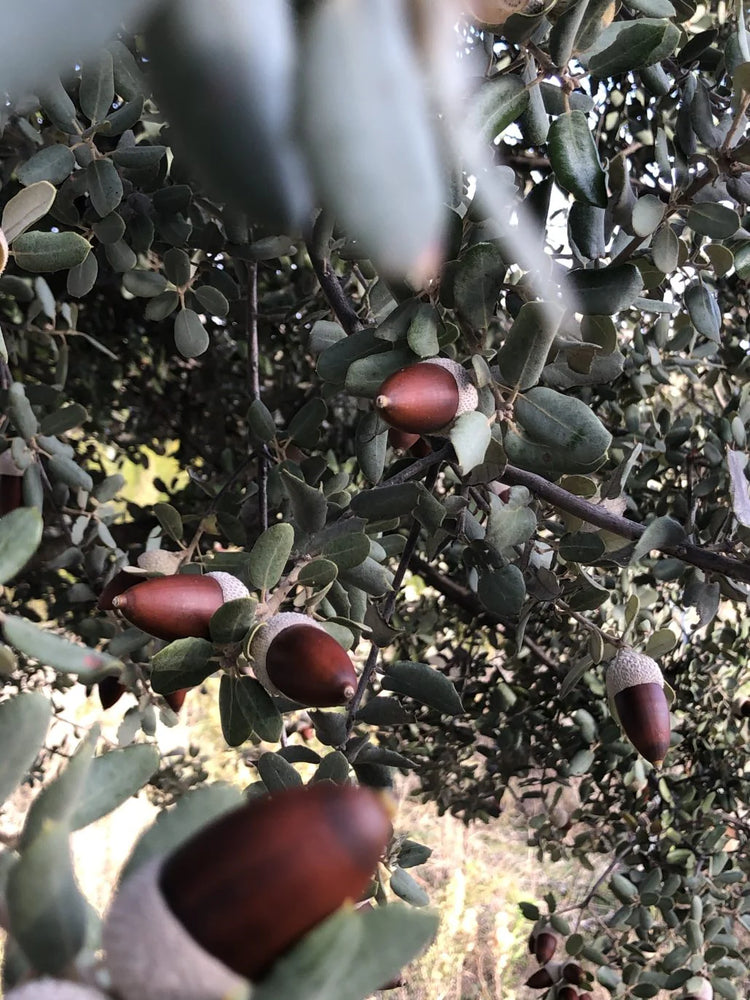
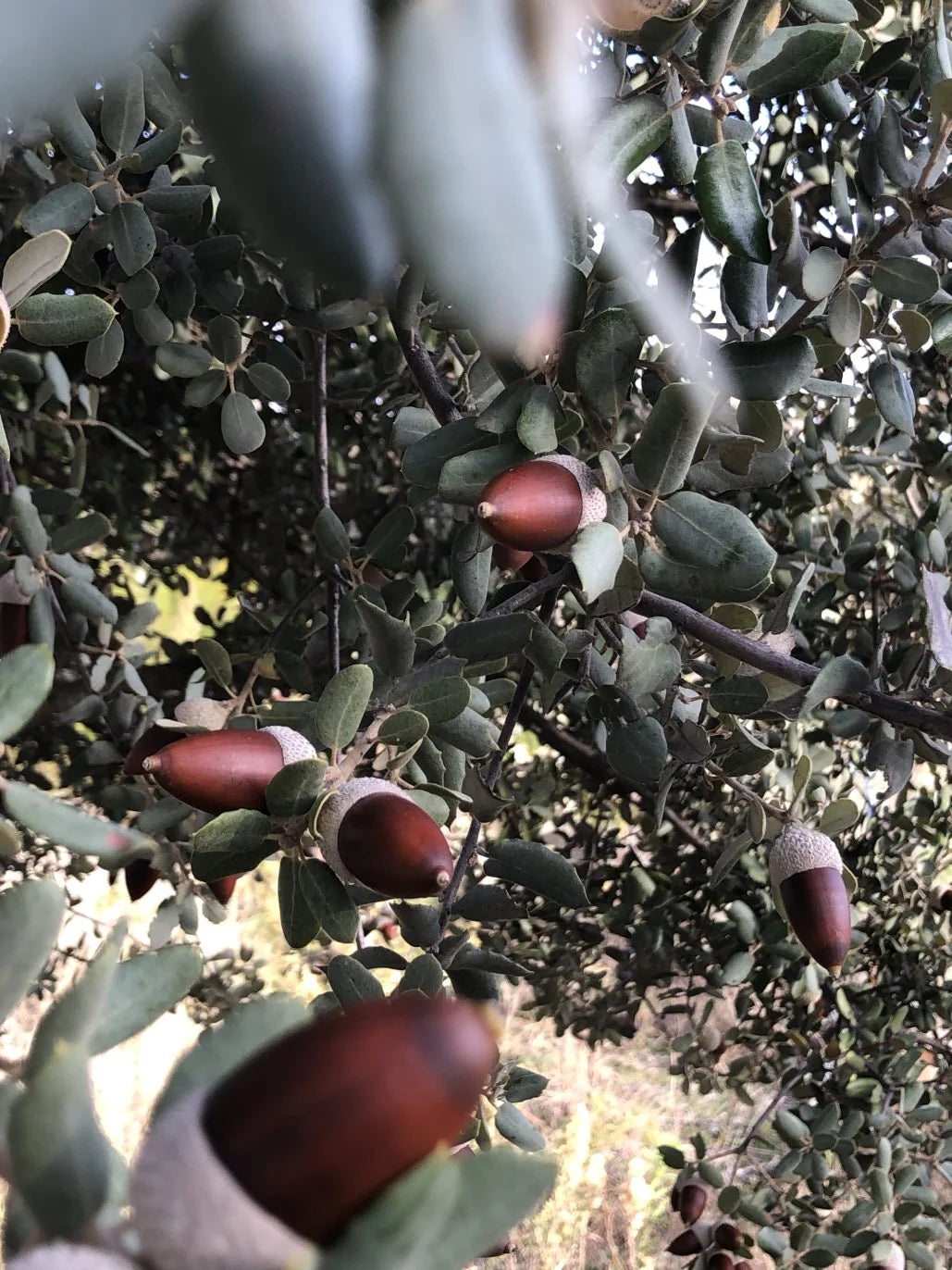
During this period, qualifying pigs roam in the dehesa and feed heavily on acorns and natural resources available in the pasture.
An acorn-fed Iberico lomo therefore combines characteristics associated with Iberico genetics with those linked to this feeding system.
Other Spanish Cured Loins
Spain also produces cured loin from other breeds and production systems.
These products can be excellent in their own right, but they should not automatically be confused with Iberico lomo. Differences in genetics, fat distribution, diet, and curing can result in noticeably different textures and flavors.
Looking at the complete product description rather than simply the word “lomo” is the easiest way to understand what you are buying.
How Iberico Lomo Is Made
The exact recipe varies between producers, but traditional lomo follows a recognizable process.
It starts with a whole loin. The muscle is carefully trimmed so the piece has an even shape suitable for seasoning and curing.
Salt and spices are then applied to the meat. Paprika and garlic are common ingredients in Spanish lomo recipes, although producers may use their own combinations and proportions.
The meat rests so the seasoning can penetrate beyond the surface.
Afterward, the loin is placed inside a casing, giving lomo its characteristic cylindrical shape. It then enters the curing stage, where moisture gradually leaves the meat and flavors become more concentrated.
The process cannot simply be rushed. Too much moisture loss can make the meat hard, while insufficient curing can leave the texture uneven.
Seasoning and Traditional Spanish Flavors
Paprika is one of the flavors most commonly associated with Spanish cured loin.
Depending on the recipe, it can contribute sweetness, mild smokiness, earthiness, or a deeper red color. Garlic adds another savory layer, while salt performs both a culinary and technical role in the curing process.
The goal is not to make the loin taste like spices alone.
In a well-balanced lomo, the seasoning frames the flavor of the meat rather than disguising it.
The Role of the Iberico Pig and Acorn Feeding
One reason Iberico lomo has a different character from conventional cured loin is the meat itself.
Iberico pigs have a genetic tendency to store fat within their muscles. Those thin lines of intramuscular fat remain visible after curing and can soften the texture of each slice.
Feeding can add another variable.
In bellota products, the pigs spend the montanera period consuming acorns along with grasses and other natural resources from the dehesa. This affects the composition of the animal's fat and can influence aroma, texture, and flavor.
It is still important to separate the two concepts. A product can come from an Iberico pig without necessarily being acorn-fed.
What Does Iberico Lomo Taste Like?
Iberico lomo has a concentrated cured-meat flavor with a noticeable cured character.
The first impression is often savory and slightly sweet, followed by the spices used in the seasoning. Paprika can add warmth and a subtle earthiness, while garlic contributes depth without needing to dominate the meat.
Texture is a large part of the experience.
The loin should be firm enough to slice cleanly but not dry or chewy. Fine streaks of fat soften as the slice warms in the mouth, giving the meat a smoother finish.
Compared with chorizo, the flavor tends to feel cleaner and more focused on the meat itself because the meat has not been ground and mixed with fat and seasoning.
Iberico Lomo vs Iberico Ham
Although both come from Iberico pigs, they are different products.
Iberico ham is made from the hind leg. It is generally salted and cured as a whole leg, allowing the meat and fat to develop flavor over a prolonged maturation period.
Iberico lomo comes from the loin along the animal's back. The cut is normally seasoned before being placed into a casing and cured.
Their flavors reflect those differences.
Ham tends to emphasize the natural character of the cured meat and fat. Lomo introduces a more noticeable layer of paprika, garlic, or other traditional seasonings depending on the producer.
Texture differs as well. Ham has multiple muscles and varying areas of fat within the same leg. Lomo comes from a single muscle, producing more uniform slices.
Neither needs to replace the other. A Spanish charcuterie board often benefits from having both because they show two very different expressions of the Iberico pig.
Iberico Lomo vs Chorizo
The easiest way to understand the difference is to look at how they are made.
Lomo starts with a whole loin muscle.
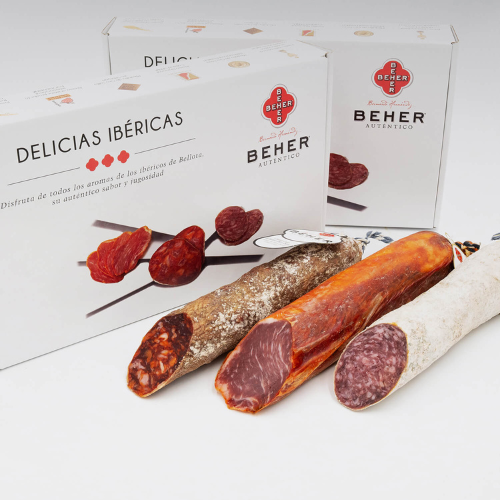
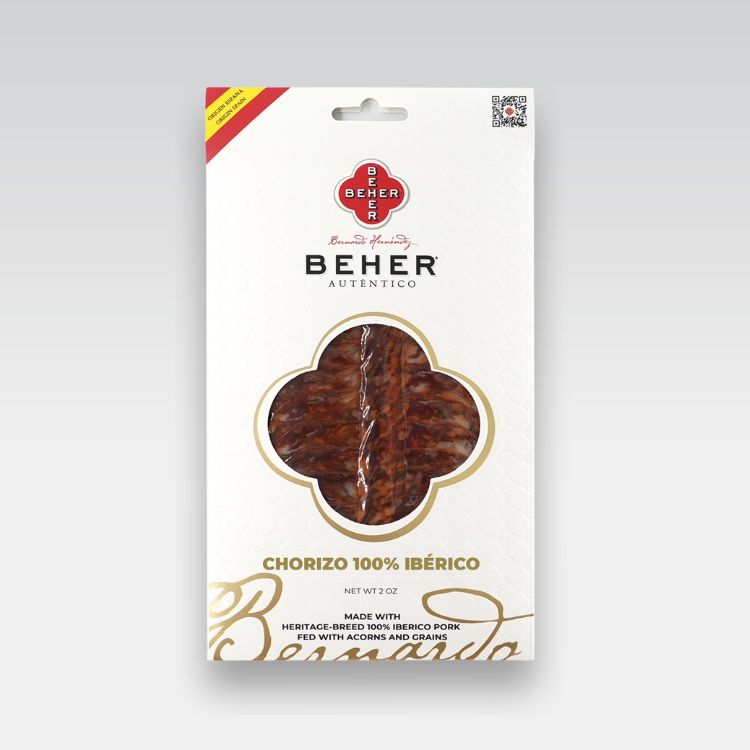
Chorizo is normally produced from ground or chopped meat mixed with fat and seasoning before being stuffed into a casing.
That structural difference is obvious when sliced.
A slice of lomo looks like a piece of cured meat, with visible muscle fibers and natural marbling. Chorizo has the more uniform appearance of a sausage, with small pieces of meat and fat distributed throughout.
Both may contain paprika and garlic, but lomo usually gives the meat itself a more prominent role.
Nutritional Profile of Iberico Lomo
Iberico lomo is a protein-rich food because the product is made primarily from the loin of the pig.
The meat also naturally provides micronutrients associated with pig meat, including several B vitamins and minerals such as iron and zinc. Meat from the Iberico pig can contain a significant proportion of monounsaturated fatty acids, although the exact nutritional composition will vary according to the animal, feeding system, and individual product.
As with other cured meats, sodium is also part of the picture.
Salt plays an important role in curing, so serving size matters. Rather than treating lomo as either a “healthy” or “unhealthy” food in isolation, it makes more sense to consider how much is eaten and what accompanies it.
A few thin slices served with vegetables, bread, olives, or other foods create a very different meal from eating a large quantity on its own.
How to Serve Iberico Lomo
Lomo is best sliced thinly.
Thin slices make the texture easier to appreciate and allow the aromas of the meat and seasoning to become more noticeable. If the product has been refrigerated, allowing it to lose some of its chill before serving can also improve its texture, provided the manufacturer's storage instructions are followed.
There is no need for an elaborate preparation.
Arrange the slices loosely on a plate instead of stacking them tightly. This gives each piece more surface area and makes it easier to pick up.
What Goes Well With Iberico Lomo?
Simple accompaniments tend to work best.
Crusty bread provides texture without competing with the meat. Pan con tomate, with ripe tomato and olive oil rubbed over toasted bread, is another natural pairing.
Olives and roasted almonds bring saltiness and crunch, while fresh or roasted vegetables can balance the richness of the meat.
Cheese works too, although there is little reason to choose the strongest cheese on the board. A balanced Manchego or another firm Spanish cheese can complement the lomo without masking it.
Wine Pairings
Dry Spanish wines are an easy place to start.
A Tempranillo-based red can match the savory depth of the cured meat, while a fresh white wine can create a lighter contrast.
Fino or Manzanilla Sherry also works particularly well with cured foods because its dry, saline profile cuts through fat and refreshes the palate between slices.
How to Store Iberico Lomo
Storage depends partly on how the lomo is sold.
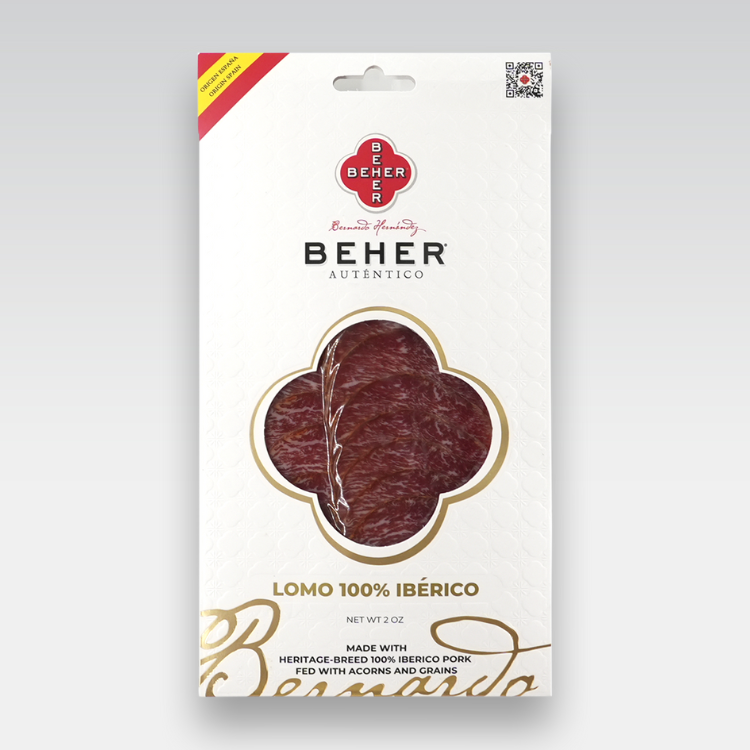
An unopened vacuum-sealed piece should be kept according to the producer's instructions. Packaging, processing, and the specific product all influence recommended storage conditions, so the label should take priority over generic advice.
Once opened, the cut surface needs particular attention.
Exposure to air gradually dries the loin. Keeping the exposed end covered and refrigerating the product when required helps preserve its texture.
Pre-sliced lomo can dry faster because much more surface area is exposed to oxygen. Keep the package properly closed and avoid leaving slices uncovered for long periods.
If the product develops an unusual odor, major discoloration, or other signs of deterioration that go beyond normal changes in cured meat, it should not be consumed simply because it is a cured product.
Iberico Lomo in Spanish Gastronomy
In Spain, lomo fits naturally into the category of foods served in small portions and shared.
It may appear as part of an aperitivo before a meal, alongside other cured meats on an embutidos board, or as one of several tapas placed in the center of the table.
It is also common at family gatherings and celebrations because serving it requires almost no preparation.
Modern restaurants use lomo in more creative ways, but the traditional approach remains difficult to improve: good meat, thin slices, and uncomplicated accompaniments.
Why Choose BEHER Iberico Lomo?
With a product as straightforward as cured loin, raw material matters enormously.
There are no sauces or elaborate preparations to compensate for mediocre meat. The quality of the loin, its marbling, the seasoning, and the curing process remain visible in every slice.
BEHER's specialization in Iberico products makes that focus particularly relevant. Choosing a lomo from a producer dedicated to the Iberico pig gives consumers a clearer connection between the breed, the quality of the original cut, and the final cured product.
For anyone building a Spanish charcuterie board or exploring the Iberico pig beyond ham, lomo is one of the most useful products to try because it offers a very different expression of the same animal.
A Different Way to Discover the Iberico Pig
Iberico ham may be the product that first introduces many people to Spanish cured meats, but lomo shows another side of the Iberico pig.
Instead of the long, delicate slices of ham, you get a compact piece of cured loin with visible marbling, a firmer texture, and a seasoning profile that commonly brings paprika and garlic into the foreground.
Served thinly and allowed to speak for itself, good Iberico lomo needs very little else on the plate.
For those already familiar with BEHER ham, exploring BEHER Iberico lomo is a natural next step into the wider range of traditional Iberico products.
FAQs
1. What is Iberico lomo?
Iberico lomo is a Spanish cured meat made from the whole loin of an Iberico pig. The loin is typically seasoned with salt and spices such as paprika and garlic, placed inside a casing, and cured. Unlike many sausages, the meat is not ground, so each slice comes from one continuous muscle.
2. What part of the pig is Iberico lomo?
Lomo comes from the loin, a long muscle located along the pig's back. This is different from Iberico ham, which is produced from the hind leg. Because lomo is made from a single lean muscle with natural intramuscular fat, its slices have a relatively uniform shape and texture.
3. What is the difference between Iberico lomo and Iberico ham?
The main difference is the cut and production method. Iberico ham comes from the hind leg and is primarily salted and cured. Iberico lomo comes from the loin and is normally seasoned with spices before curing. Lomo tends to have a firmer, more uniform texture and a more noticeable seasoned flavor.
4. Is Iberico lomo the same as chorizo?
No. Iberico lomo is made from a whole loin of the pig, while chorizo is generally produced from ground or chopped meat mixed with fat and spices. Both may contain paprika, but their texture and composition are very different. Lomo retains the natural structure and marbling of the loin muscle.
5. How do you eat Iberico lomo?
It is usually served in thin slices as an appetizer, tapa, or part of a charcuterie board. Bread, olives, almonds, mild Spanish cheeses, and tomato-based accompaniments pair well with it. If it has been refrigerated, serving it slightly less chilled can help the fat soften and the aromas become more noticeable.
6. Does Iberico lomo need to be refrigerated?
Storage requirements depend on the product and its packaging. An unopened vacuum-sealed lomo should be stored according to the manufacturer's instructions. Once opened, refrigeration is commonly appropriate, especially for cut pieces or sliced lomo. The exposed surface should be protected to prevent excessive drying.
7. What does Iberico lomo taste like?
Iberico lomo has a concentrated cured-meat flavor with a firm but tender texture. Traditional seasoning can add notes of paprika, garlic, and mild sweetness, while intramuscular fat contributes richness and a smoother finish. Compared with chorizo, the flavor generally remains more focused on the quality of the meat itself.